
Research

Faculty Research
Getting Involved in Research
The Classics Lab
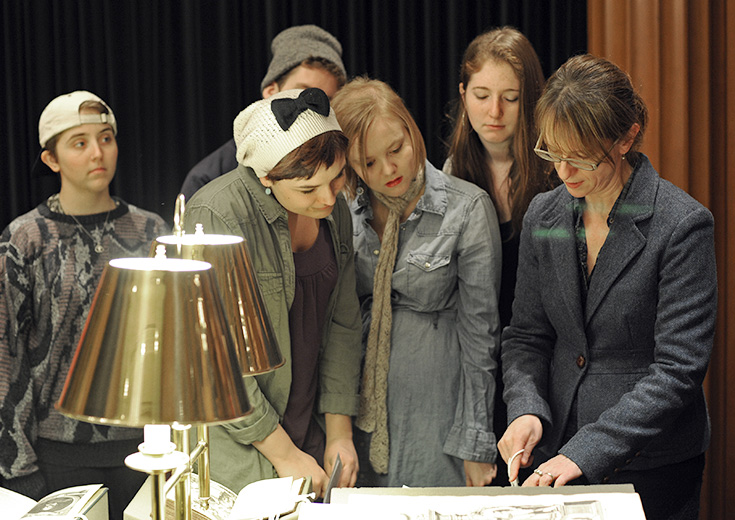
Advanced students in Classical languages and archaeology can join the Classics Lab, working directly with faculty on ongoing research. Projects vary each year but may include:
- Studies in Mediterranean palaeoclimate
- Sustainable agriculture in antiquity
- Lab-based analysis and digital modeling of archaeological artifacts
- Research in ethnobotany and ancient medicine
- Word-study projects involving large-language models
- Advanced study of cognitive and emotional terminology in ancient texts
These internships develop skills in research design, data analysis, and translation — while producing tangible outcomes such as research posters, conference presentations, and digital publications.
Students may participate as contributors or research interns.
- Half credit: 6 hours per week
- Full credit: 12 hours per week
To apply, register for CLST 425 on WesMaps.
For current projects and publications, visit the Birney Lab Website.
Research Areas
Faculty and students investigate ancient environments, climate resilience, and ecological change across the ancient Mediterranean.
Climate Change Research:
- Rediscovering crop resilience and cultivation strategies
- How to mitigate drought and deforestation damage
Research areas highlighted in the department:
- Environmental studies
- Archaeology and archaeological science
- Art and material culture
- Global reception of environmental themes
Opportunities for students to:
- Go on an archaeological dig
- Study abroad
- Research with our faculty
- Publish in our journal
Classical Studies contributes to contemporary debates by examining ancient political systems, legal thought, democracy, and civic identity.
Research in Legal Theory:
- Applying Classical notions of personhood, gender, and sexuality to modern debates on bodily autonomy and corporal punishment
Political Science research:
- Developing models for institutional reform and bulwarks for democratic governance
Courses connected to these topics include exploration of:
- Law
- Democracy
- Political theory
- Civic identity and historiography
Students can participate through:
- Department events
- Independent research
- Publication opportunities
Students and faculty study ancient texts through lenses that include gender, sexuality, media, and global cultural reception.
Research areas:
- Literature and mythology
- Gender and sexuality
- Film and new media
- Theater and performance
- Art and art history
- Philosophy
- Global reception of Classical antiquity
Department courses support research in:
- War and conflict
- Horror
- Epic traditions
- Ancient port city economies
- The Greek vase as art and artifact
Student opportunities include:
- Publishing in the department’s journal
- Participating in museum trips, film nights, and experimental archaeology demonstrations
Classical Studies students gain experience through fieldwork, travel programs, public humanities events, and departmental initiatives.
Opportunities include:
- Study abroad experiences in Greece, Italy, or Europe, in which which 80% of students participate
- Faculty-led archaeological digs in Italy, Greece, and Israel
- Internships at home and abroad connected to Classical Studies, with department assistance to defray associated costs