Recommended Reading: Igler ’88, Liebson '92, Walker '03, and more
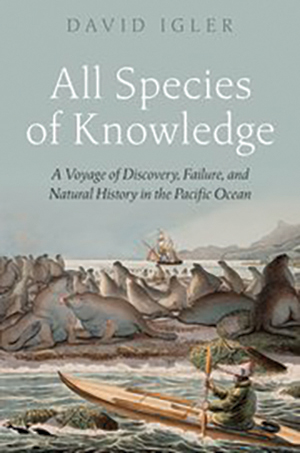
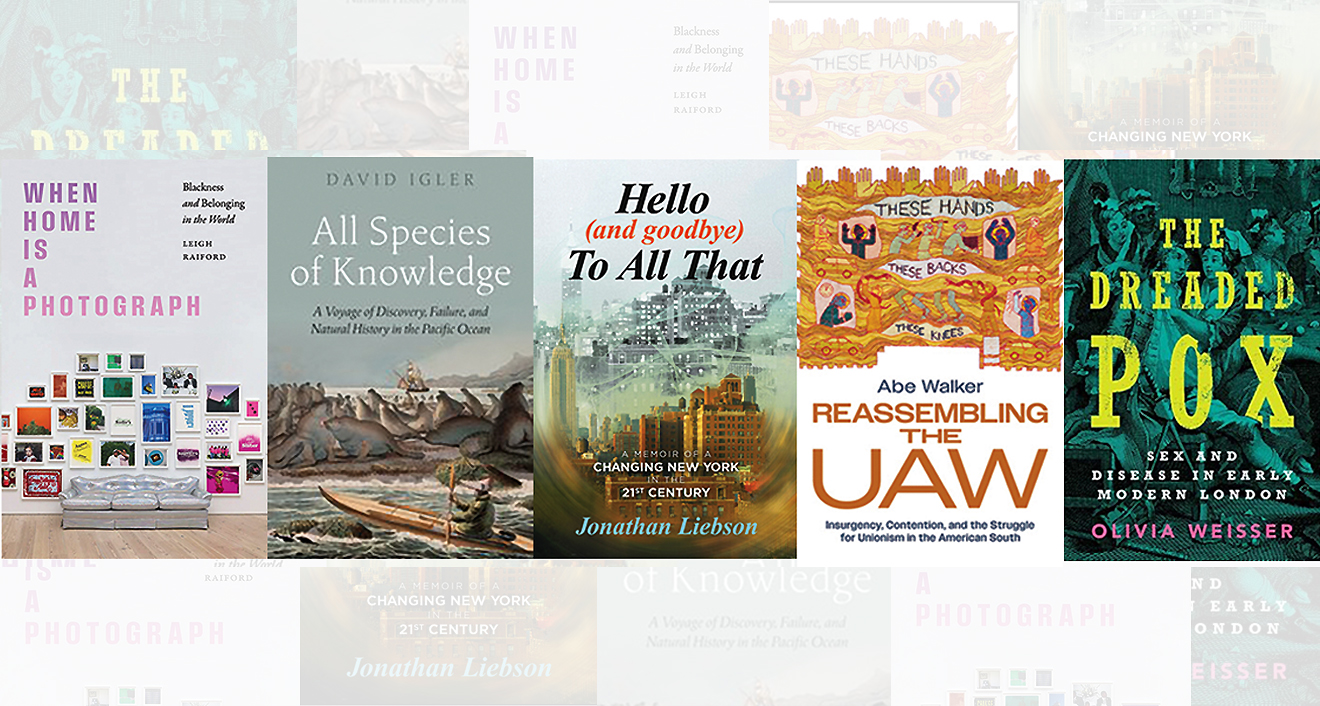
All Species of Knowledge: A Voyage of Discovery, Failure, and Natural History in the Pacific Ocean
David Igler ’88
Igler revisits the early-19th-century Rurik expedition, a Russian-sponsored voyage to find a northern passage between the Pacific and Atlantic Oceans. Though the expedition failed in its central goal, its achievements were expansive. Bringing together the stories of two naturalists, an artist, and a Pacific Islander who navigated the three-year voyage, Igler explores how the expedition produced new knowledge about the Pacific world through natural history, art, observation, translation, and exchange. The book reframes failure as a method of discovery, revealing how Indigenous expertise, ship-born collaboration, and global circulation shaped the development of modern natural history. (Oxford University Press)
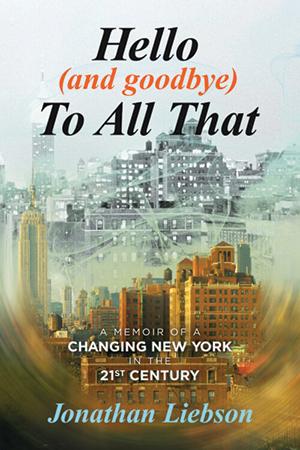
Hello (and Goodbye) to All That
Jonathan Liebson ’92
Liebson offers a memoir of New York City in transition, tracing the changing texture of a place through personal memory, family history, and urban observation. The book follows a father-and-son journey across time and place, using the city as both setting and subject: a landscape of arrivals, departures, reinventions, and losses. As neighborhoods shift, landmarks disappear, and generations pass down their stories, Hello (and Goodbye) to All That reflects on memory, inheritance, and the surprising bonds that form between people and places. Tender, reflective, and attentive to the rhythms of everyday life, the book is a meditation on New York, family, and the work of “hello,” “goodbye,” and all that happens in between. (Post Hill Press)
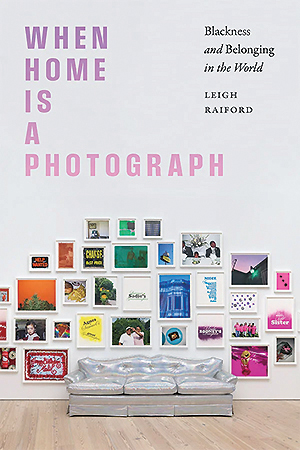
When Home Is a Photograph: Blackness and Belonging in the World
Leigh Raiford ’94
Focusing on Black American activists and artists—including Marcus Garvey, James Van Der Zee, and Eslanda Goode Robeson—Raiford explores photography not solely as documentation, but as a mode of survival in a world shaped by displacement, migration, and racial exclusion. When Home Is a Photograph turns the art form into a practice of world-making; through portraits, family albums, political images, and everyday acts of collecting and displaying, Raiford demonstrates how photographs have helped Black people locate themselves, build community, and articulate a sense of belonging, and illuminates the power of images to mediate memory, identity, politics, and place. (Duke University Press)
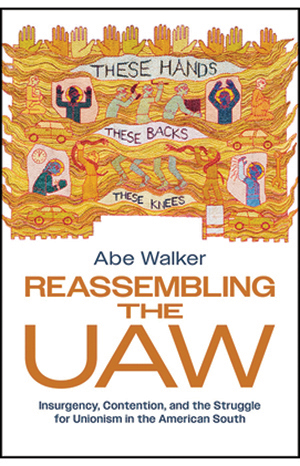
Reassembling the UAW: Insurgency, Contention, and the Struggle for Unionism in the American South
Abe Walker ’03
Walker offers a rigorous, timely account of the United Auto Workers’ decade-long campaign to unionize Volkswagen’s Chattanooga Assembly Plant. Tracing the effort through the union’s landmark victory in 2024, he examines how strategy, leadership, and worker militancy changed over time. Through close attention to rank-and-file activism, global labor alliances, local workplace issues, and the politics of organizing in the anti-union South, Walker shows how a revitalized UAW transformed defeat into momentum. At once a sociological study and a labor history, Reassembling the UAW offers lessons about collective action, organizational change, and the future of unionism in the United States. (Temple University Press)
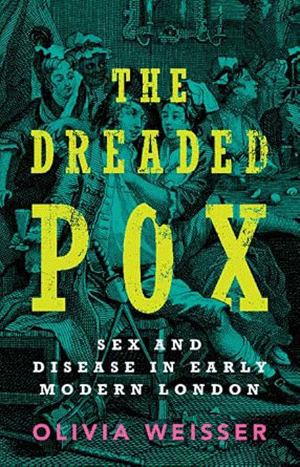
The Dreaded Pox: Sex and Disease in Early Modern London
Olivia Weisser ’02
Both a history of medicine and a textured portrait of urban life, Weisser examines venereal disease in 17th- and 18th-century London, revealing how the “pox” shaped daily life, sexual culture, commerce, and medical practice. She brings readers into homes, taverns, kitchens, gardens, streets, and shops, showing how ordinary Londoners sought cures, concealed symptoms, and made sense of this “secret disease.” Weisser pays particular attention to those whose experiences were often left out of the archive, depicting how disease marks could become a language for stigma and experiences otherwise difficult to name. (Cambridge University Press)